
Chukwunonso Akogwu PhD
Climate change is no longer a distant concept, it is here with us, shaping lives, disrupting livelihoods, and testing the resilience of communities across the globe. In Africa, the story is particularly urgent. In Nigeria, rising temperatures, erratic rainfall, and extreme weather events are eroding local resilience, stretching governance structures thin, and leaving women who are the backbone of subsistence agriculture more vulnerable than ever. Nowhere is this more evident than in Anambra State, where climate change is increasingly manifesting in recurring floods. Once again, the state is grappling with a devastating disaster. In Ogbaru Local Government Area, located on the banks of the River Niger for instance, floodwaters have swallowed farmlands, homes, schools, and markets. What began as days of heavy rainfall has escalated into a humanitarian crisis, displacing families and crippling entire communities.
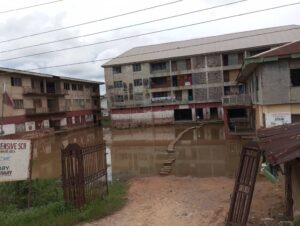
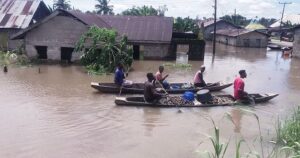
The Nigerian Meteorological Agency had already warned of severe flooding in coastal states, but as always, the impact has been harshest in places like Ogbaru, Anambra East, and Anambra West. These are communities that have long lived with the burden of seasonal floods, yet climate change is making the situation worse—floods are now more intense, unpredictable, and destructive. This year, the River Niger overflowed its banks with brutal force, submerging livelihoods and disrupting the fragile rural economy.
The stories of farmers illustrate the human face of this crisis. Take Ndidi Nwachukwu, a yam and cassava farmer in Ogwuikpele. She borrowed money to expand her farm, hoping for a good harvest to repay her loan. But before she could harvest, the floods came. “With this flood and premature harvesting, I am not sure I will even get up to 25 per cent of what I invested this year,” she lamented. Similarly, widow and farmer, Nwakaego Uzor, has watched helplessly as her cassava and maize farms disappeared underwater. Unable to afford laborers, she now harvests prematurely and alone, fighting a losing battle against the rising waters.
 These experiences highlight the gendered dimension of climate change. Women in Anambra, like in many African societies, carry the weight of food production, household sustenance, and caregiving. When floods destroy their farms, it is not just an economic loss; it is a blow to family survival, children’s nutrition, and community stability. Women are less likely to have access to credit, land rights, or insurance, making it harder for them to recover. Climate disasters, therefore, deepen existing gender inequalities.
But while climate change is a global crisis, its local impacts expose weaknesses in governance. In Anambra, the state government, in collaboration with the UNDP and federal agencies, has set up holding camps and embarked on measures like clearing blocked drainages and planning to dredge the River Niger. Deputy Governor Onyekachukwu Ibezim, chair of the Flood Management Committee, insists these steps will help reduce future impacts. Yet, for displaced families who have lost everything the interventions often feel reactive and insufficient.
Local governance must do more than manage disasters after they happen. It must build resilience, investing in, early warning systems, flood-resistant infrastructure, and sustainable land management practices. More importantly, policies must center women, ensuring they have access to resources, support systems, and decision-making platforms. Apparently, unless urgent, inclusive, and long-term strategies are implemented, each rainy season will continue to arrive not with the promise of harvest but with fear, loss, and despair, particularly in Anambra state.