
Climate Change, Flooding, and the Silent Struggles of Anambra Communities
Chukwunonso Akogwu PhD
Climate change is no longer a distant concept, it is here with us, shaping lives, disrupting livelihoods, and testing the resilience of communities across the globe. In Africa, the story is particularly urgent. In Nigeria, rising temperatures, erratic rainfall, and extreme weather events are eroding local resilience, stretching governance structures thin, and leaving women who are the backbone of subsistence agriculture more vulnerable than ever. Nowhere is this more evident than in Anambra State, where climate change is increasingly manifesting in recurring floods. Once again, the state is grappling with a devastating disaster. In Ogbaru Local Government Area, located on the banks of the River Niger for instance, floodwaters have swallowed farmlands, homes, schools, and markets. What began as days of heavy rainfall has escalated into a humanitarian crisis, displacing families and crippling entire communities.
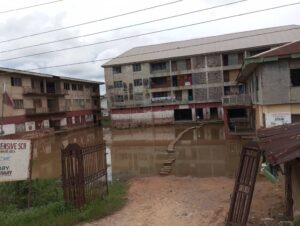
The Nigerian Meteorological Agency had already warned of severe flooding in coastal states, but as always, the impact has been harshest in places like Ogbaru, Anambra East, and Anambra West. These are communities that have long lived with the burden of seasonal floods, yet climate change is making the situation worse—floods are now more intense, unpredictable, and destructive. This year, the River Niger overflowed its banks with brutal force, submerging livelihoods and disrupting the fragile rural economy. Read more